
Lower Levels That Stop Wasting Square Footage
Basement Finishing and Framing in Harrison for unfinished spaces that remain unused storage areas instead of functional rooms
Unfinished basements in Michigan homes often remain dim, damp spaces filled with stored items rather than usable living areas, limiting overall home functionality despite available square footage. Unclebob's Home Remodeling and Repair provides basement finishing and framing services throughout Harrison that convert these lower levels into family rooms, entertainment areas, home offices, guest spaces, or organized storage solutions. The work involves custom layout planning, wall framing with moisture-conscious construction methods, electrical wiring for outlets and lighting, drywall installation and finishing, painting, and trimming that matches existing home interior details.
Basement finishing requires addressing Michigan-specific moisture conditions that differ from above-grade construction, including concrete slab evaluation for existing moisture intrusion, proper vapor barrier installation behind framed walls, and material selections that tolerate higher humidity levels common in below-grade spaces. Framing includes pressure-treated bottom plates where wood contacts concrete, insulation that prevents condensation on cool foundation walls, and strategic placement of electrical outlets that accommodate furniture arrangements and equipment needs in finished rooms.
Arrange a basement finishing consultation to evaluate your current lower level condition and discuss layout options that match your household needs.
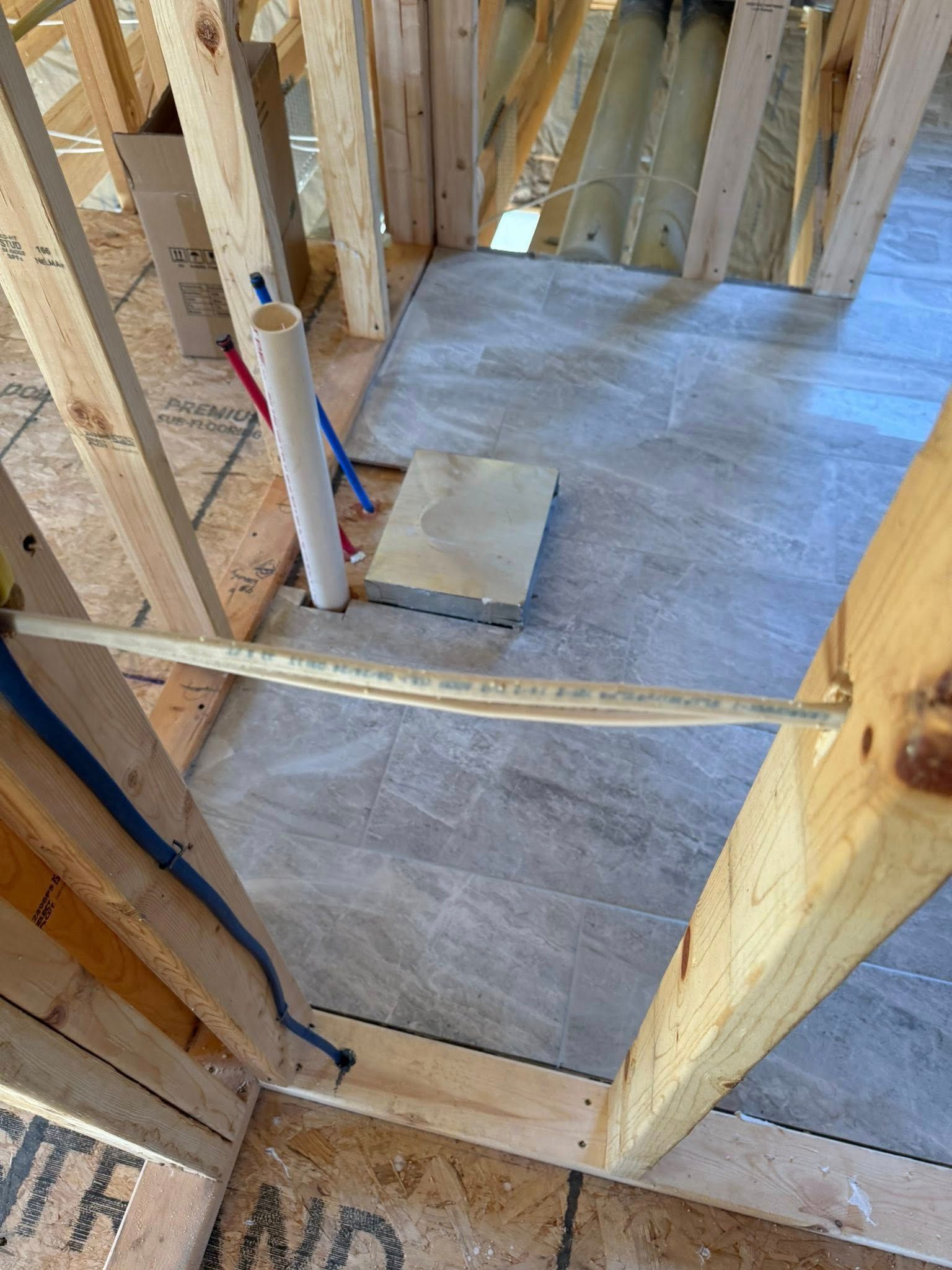
How Basement Framing Addresses Moisture and Functionality
Proper basement framing creates an air gap between finished walls and foundation surfaces, allowing moisture vapor to escape rather than becoming trapped behind drywall where it causes mold growth and material deterioration. The framing process positions wall studs away from concrete using isolation techniques that prevent direct wood-to-concrete contact, and includes blocking for secure drywall attachment without relying solely on foundation fasteners that can loosen over time.
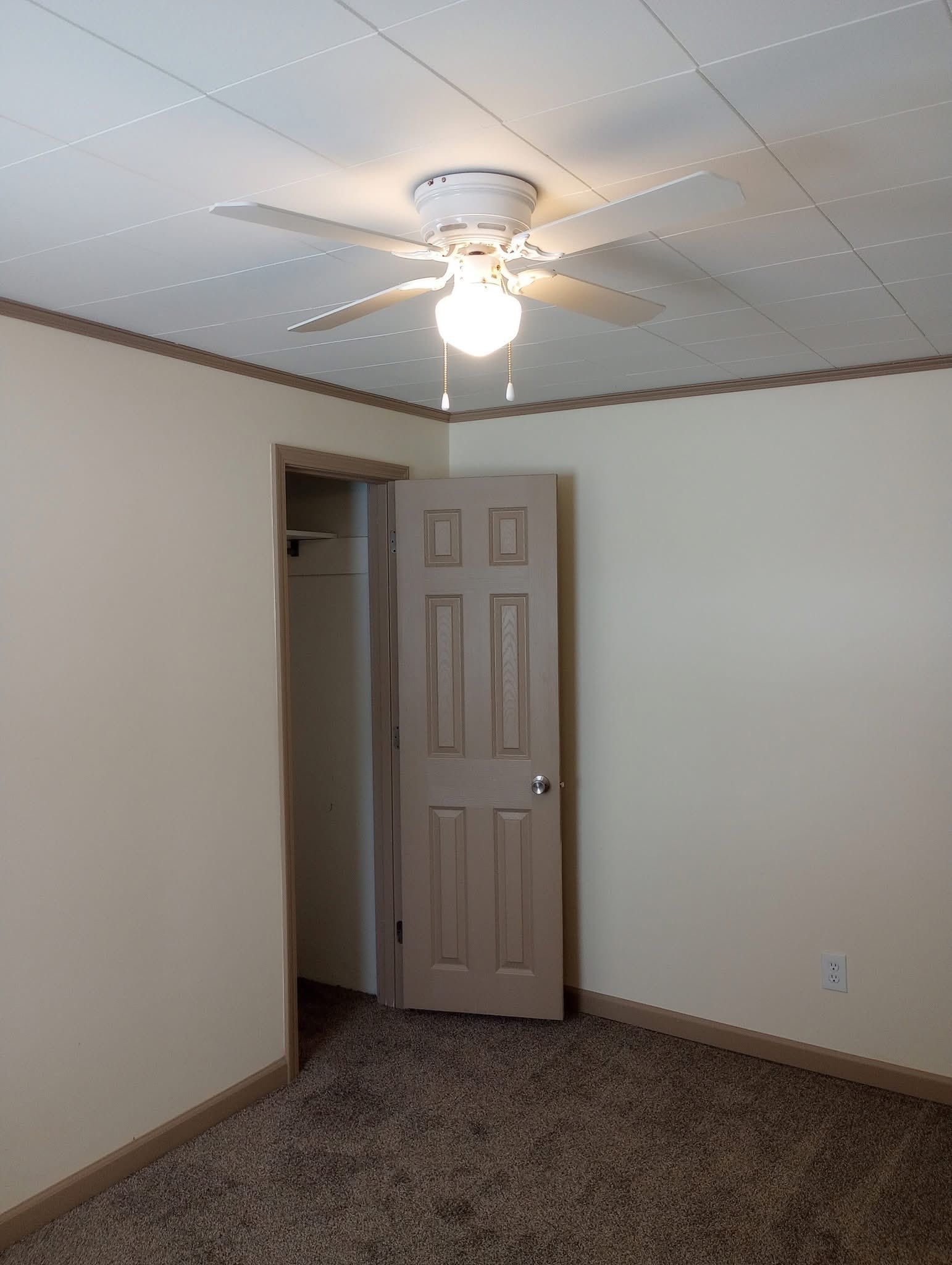
Once the basement finishing work is completed, you'll notice that formerly cold, uninviting spaces become comfortable rooms with consistent temperatures, proper lighting that eliminates the dim conditions typical of unfinished basements, and functional layouts that accommodate specific activities rather than serving only as overflow storage. Electrical upgrades provide sufficient outlets for entertainment equipment, home office technology, or exercise equipment without relying on extension cords stretched across the floor.
Durable finishing materials suited for basement environments include moisture-resistant drywall in areas prone to humidity spikes, paint formulations that tolerate temperature fluctuations, and trimming that withstands the slight movement common in wood-framed walls built over concrete slabs. Custom layouts maximize headroom by routing mechanicals strategically and planning ceiling soffits that conceal ductwork without creating oppressive low points in main living areas.
Answers to Frequent Basement Finishing Questions
Basement projects throughout Harrison often raise questions about moisture management, layout possibilities, and how finishing work affects existing home systems.
What moisture-conscious construction methods are used during basement finishing?
Construction methods include installing vapor barriers behind framed walls, using pressure-treated lumber where wood contacts concrete, positioning wall framing away from foundation surfaces to allow airflow, applying moisture-resistant drywall in areas with higher humidity exposure, and ensuring proper drainage around exterior foundation walls before interior finishing begins.
How does custom layout planning maximize usable square footage in finished basements?
Custom planning positions walls to create functional room divisions without wasting space on oversized hallways, incorporates built-in storage that utilizes areas with limited headroom under ductwork or beams, plans furniture placement during the design phase to ensure adequate circulation, and positions doorways that improve traffic flow between finished spaces.
What electrical work is included during basement finishing projects?
Electrical work includes installing new circuits to support additional living spaces, positioning outlets based on planned furniture and equipment locations, adding overhead lighting controlled by switches at room entries, including dedicated circuits for home office equipment or entertainment systems, and ensuring compliance with current electrical code requirements for basement installations.
When do Michigan homeowners typically need basement finishing services?
Homeowners pursue basement finishing when growing families need additional living space, when home offices require dedicated work areas away from main household activity, when entertainment equipment needs proper room setup rather than temporary arrangements, or when property value improvements become priorities before listing homes for sale.
What framing considerations affect long-term durability in basement environments?
Durable framing includes using materials rated for ground contact where moisture exposure is possible, leaving expansion gaps that accommodate seasonal foundation movement without cracking drywall, installing blocking at heights that support wall-mounted fixtures and cabinetry, and planning wall cavities that allow future access to plumbing or electrical components without extensive demolition.
Unclebob's Home Remodeling and Repair tailors basement recommendations to match your specific goals, available budget, and how you intend to use the finished space. Request a project estimate that outlines framing, electrical, and finishing work required to convert your lower level into functional living areas.