
Exteriors Built to Handle Michigan Seasons
Siding and Soffit Installation in Cadillac for homes with cracked panels, water stains, or outdated materials
Wood siding that splits along grain lines and soffit panels that sag between rafter tails signal moisture infiltration and ventilation failures common in older Michigan homes. Unclebob's Home Remodeling and Repair replaces damaged siding and soffit systems with modern, low-maintenance materials designed to withstand freeze-thaw cycles and seasonal temperature swings. Homeowners in Cadillac typically pursue this work when paint no longer adheres to weathered surfaces, when water stains appear below roof edges, or when energy costs rise due to compromised exterior insulation layers.
Siding installation involves stripping deteriorated materials down to sheathing, inspecting for rot or structural damage, then installing a weather-resistant barrier before attaching new panels. Soffit replacement includes adding vented panels that allow attic airflow while keeping insects and moisture out. Proper installation prevents ice dams by maintaining consistent roof temperatures and stops water from reaching wall cavities where it causes hidden mold growth and insulation damage.
Schedule a property evaluation to identify failing sections and discuss material options that match your home's architectural style.
How Updated Siding Addresses Weather Damage
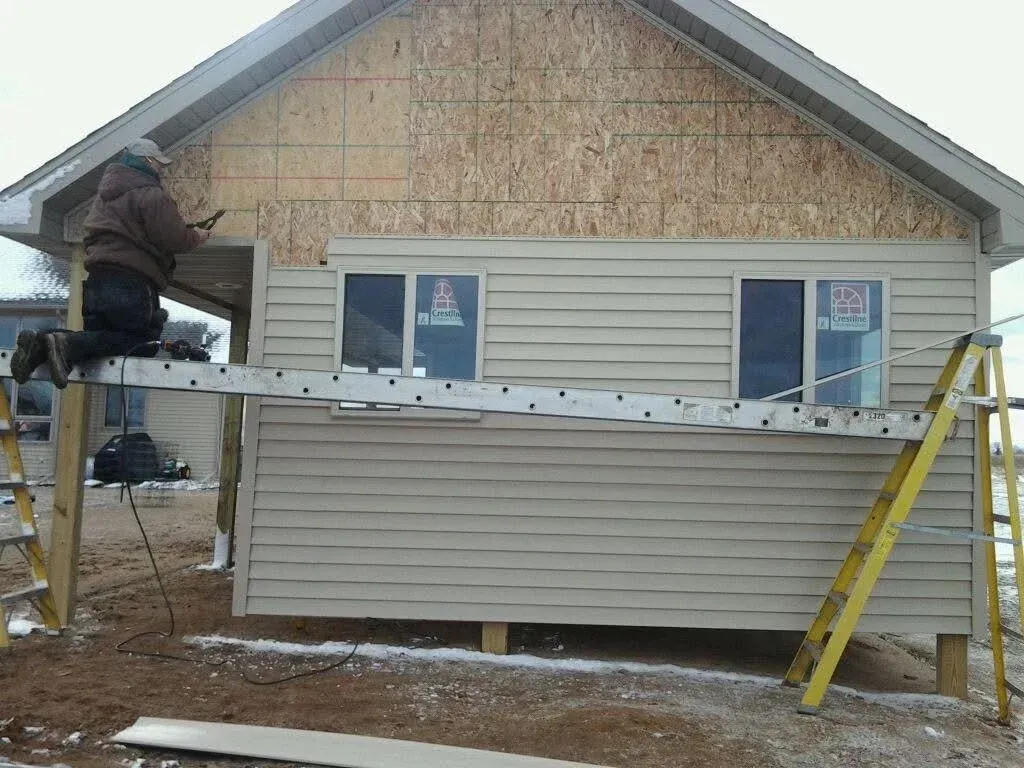
Siding replacement starts with removing old materials to expose sheathing, where installers check for soft spots indicating water damage that must be repaired before new panels go up. Modern vinyl or fiber cement siding locks together with interlocking channels that shed water downward and resist wind uplift during storms. Each panel fastens through elongated slots that allow expansion and contraction without buckling as temperatures shift between winter lows and summer highs.
Once installation finishes, you see uniform color and texture across all elevations without the peeling, cracking, or fading that plagued older materials. Rain runs off cleanly without pooling at seams, and wind no longer rattles loose panels during storms. Interior walls stay warmer in winter because continuous insulation boards behind the siding eliminate thermal bridging at studs.
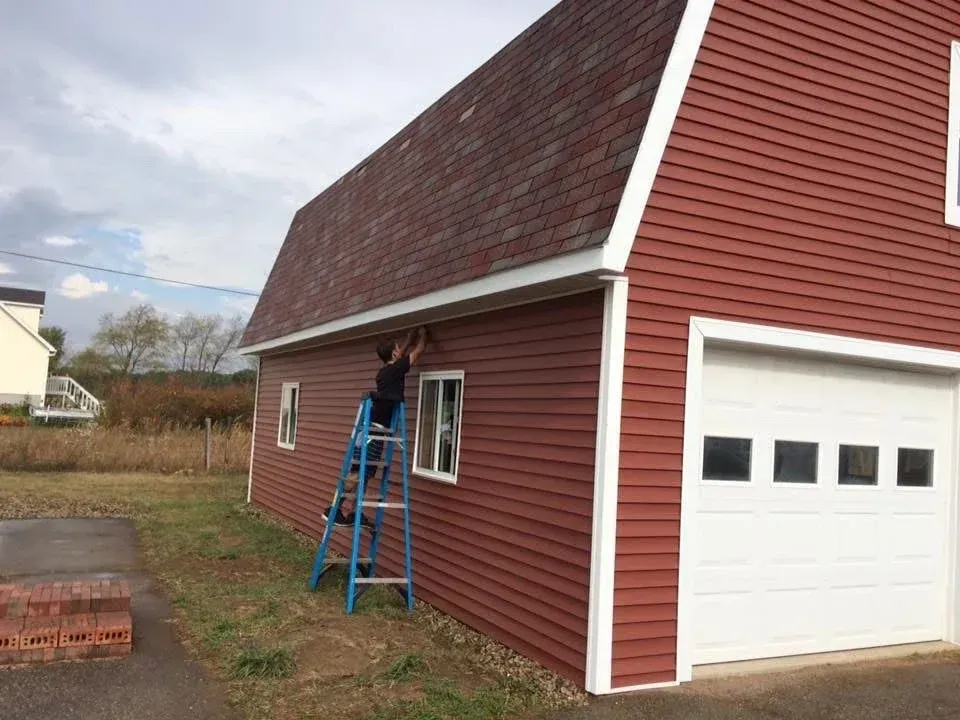
Soffit installation includes cutting precise openings for continuous ventilation that balances intake at eaves with exhaust at ridge vents, preventing attic moisture buildup that rots roof decking. Coordinating siding with soffit, fascia, and trim creates a complete weather barrier rather than leaving gaps where different materials meet. This approach works especially well when combined with window wrapping and roofing projects that address multiple exterior vulnerabilities at once.
What Property Owners Usually Ask
Homeowners considering siding and soffit upgrades often have questions about material durability, ventilation requirements, and coordination with other exterior improvements.
What siding materials hold up best in Michigan weather?
Vinyl siding resists moisture and requires no painting, while fiber cement siding offers superior impact resistance and fire rating, though it costs more and needs periodic repainting to maintain appearance.
How does soffit ventilation prevent attic problems?
Vented soffit panels allow cool air to enter at the roof's lowest point, flowing upward to carry heat and moisture out through ridge vents, which keeps attic temperatures closer to outdoor conditions and prevents ice dam formation in winter.
When should siding replacement happen alongside roofing projects in Cadillac?
Coordinating both projects allows proper flashing integration where roof edges meet siding, prevents damage to new siding from roofing work, and reduces overall labor costs by staging materials and equipment once instead of twice.
What happens to old siding during replacement?
Installers remove deteriorated panels, inspect and repair sheathing as needed, then install a weather-resistant barrier that stops wind-driven rain while allowing interior moisture to escape outward.
How long does new siding last before needing replacement?
Quality vinyl siding typically performs for thirty to forty years without fading or cracking, while fiber cement siding can last fifty years or more with periodic repainting and caulking maintenance at joints and transitions.
Unclebob's Home Remodeling and Repair handles siding and soffit installations coordinated with roofing, window, and trim upgrades for complete exterior renovations. Contact us to discuss material options and receive a detailed project estimate based on your home's current condition.