
Outdoor Spaces That Handle Gatherings and Grilling
Deck Construction in Midland for homes needing expanded outdoor living, entertainment areas, or backyard access
Custom deck construction expands usable outdoor space for grilling, dining, and entertaining when backyards lack flat, accessible areas near doorways. Unclebob's Home Remodeling and Repair builds wood and composite decks tailored to homeowner layout preferences, terrain conditions, and budget goals throughout Midland and Mid-Michigan communities. Homeowners typically pursue deck projects when existing concrete patios crack and settle, when ground-level access proves impractical due to slope or drainage issues, or when they want elevated platforms that improve views and connect indoor living spaces directly to outdoor areas without navigating stairs or uneven ground.
Deck framing uses pressure-treated lumber for posts, beams, and joists anchored to concrete footings below frost depth, preventing heave and settling during freeze-thaw cycles. Composite decking boards resist splintering, fading, and moisture absorption that cause wood to warp and rot, while hidden fastener systems create smooth surfaces without exposed screw heads. Railing systems secure to rim joists with through-bolts rather than surface screws, meeting code requirements for lateral strength that prevents collapse under leaning loads.
Schedule a deck construction consultation to discuss layout options, material choices, and customized features suited to your property and outdoor activities.
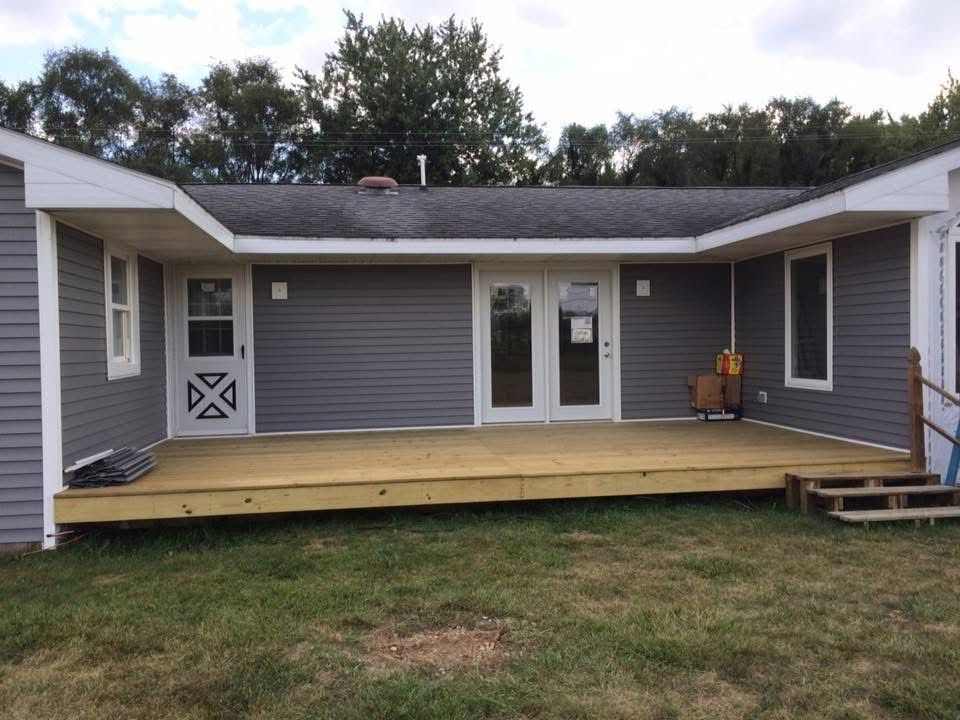
The Difference Between Quality and Shortcut Framing
Deck construction begins with locating underground utilities, then digging footings deep enough to reach undisturbed soil below frost line, which in Michigan typically ranges from forty-two to forty-eight inches depending on county regulations. Posts embed in concrete piers or bolt to adjustable brackets that allow leveling without cutting, while beams span between posts with proper overhang to distribute loads evenly. Joists space at sixteen inches on-center for composite decking or twelve inches for lighter boards, preventing bounce and ensuring fasteners engage solid framing rather than splitting at unsupported edges.
Once construction finishes, you walk across surfaces that feel solid underfoot without flexing or rattling, and railings resist wobbling when grabbed firmly. Composite boards shed water without cupping or developing splinters that snag bare feet, and color remains consistent without the silvering and grain raise that occur when untreated wood weathers. Stairs align with door thresholds for smooth transitions, and step heights remain uniform to prevent tripping hazards.
Deck layouts can include built-in benches, planter boxes, privacy screens, and dedicated grilling zones that keep smoke away from seating areas. Material choices involve trade-offs between upfront cost and maintenance requirements, with pressure-treated wood needing annual staining or sealing versus composite decking that only requires occasional washing but costs more initially. Railing options range from traditional wood balusters to cable systems or glass panels that maintain sightlines while meeting safety codes.
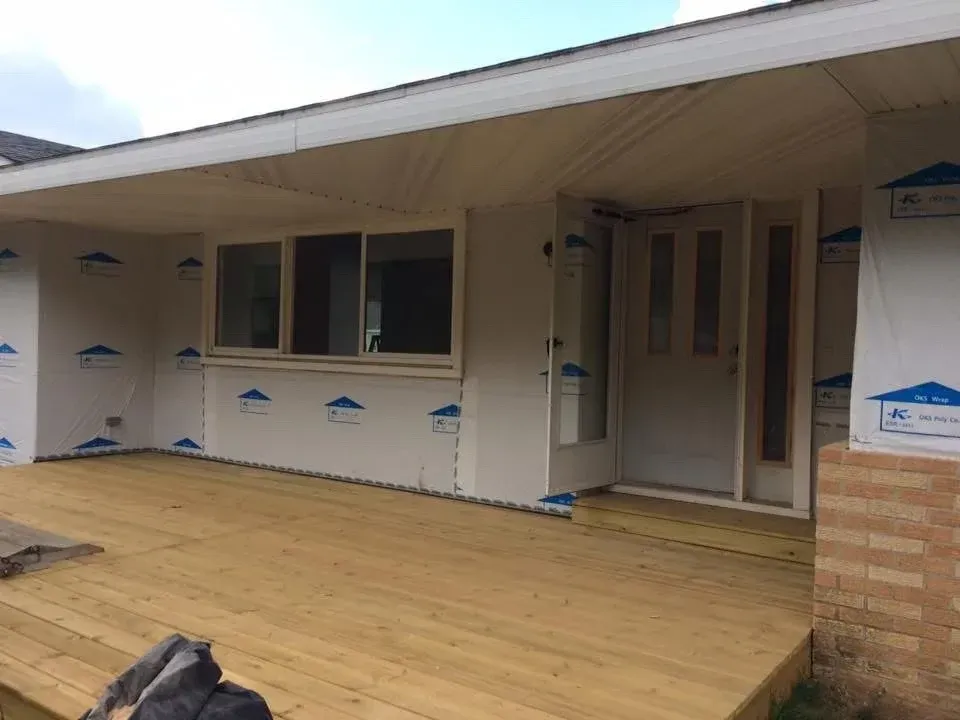
Answers to Frequent Service Questions
Homeowners planning deck projects often ask about design options, material performance, and construction timelines for backyard upgrades.
What deck materials require the least maintenance over time?
Composite decking resists fading, staining, and moisture damage without needing annual sealing or staining, while capped composites add an outer shell that prevents scratching and mold growth in shaded areas.
How deep do deck footings need to go in Midland?
Footings must extend below the frost line, typically forty-two to forty-eight inches deep in this region, to prevent heaving during winter freeze-thaw cycles that lift shallow footings and rack deck frames out of square.
When should railings be included in deck construction?
Building codes require railings on decks more than thirty inches above grade, and railings must withstand two hundred pounds of lateral force applied at the top rail to prevent collapse under leaning or crowding loads.
What makes deck framing stable on sloped yards?
Posts of varying heights anchored to deep footings create level platforms regardless of terrain slope, while beams and joists maintain consistent spacing and proper bearing on posts to distribute weight evenly across the structure.
How long does deck construction take from planning to completion?
Most deck projects require one to two weeks including footing excavation, framing, decking installation, and railing assembly, with timelines extending when layouts include stairs, multiple levels, or built-in features that add complexity.
Unclebob's Home Remodeling and Repair designs deck layouts that complement existing home architecture and maximize backyard functionality based on how you plan to use outdoor space. Arrange an on-site visit to review terrain conditions, discuss material preferences, and receive a detailed construction estimate for your property.