Walls That No Longer Show Impact Damage
Drywall Repair and Interior Painting in Harrison for damaged surfaces caused by moisture exposure, impact holes, or settled cracks
Damaged drywall creates visible imperfections that worsen over time as cracks expand, holes expose wall cavities to moisture and pests, and surfaces become increasingly difficult to clean or repaint without proper repair. Homeowners throughout Harrison encounter drywall damage from furniture impacts, doorknob collisions, water leaks that saturate ceiling panels, foundation settlement that creates ceiling cracks, and remodeling work that requires patching where fixtures or walls were removed. Unclebob's Home Remodeling and Repair handles drywall repair and interior painting projects that restore smooth, uniform wall and ceiling surfaces ready for long-term durability.
The repair process involves cutting away damaged material to sound drywall, securing backing support for patch panels, applying joint compound in successive layers that feather into surrounding surfaces, sanding to match existing texture patterns, priming repaired areas to seal porous compound, and painting with color-matched finishes that blend seamlessly. Wall preparation includes cleaning surfaces to remove contaminants that prevent paint adhesion, filling minor imperfections that become visible under fresh paint coats, and protecting flooring and furniture during the work.
Request a drywall repair or painting estimate to address specific damage areas or refresh entire room interiors.
What Proper Drywall Repair Requires
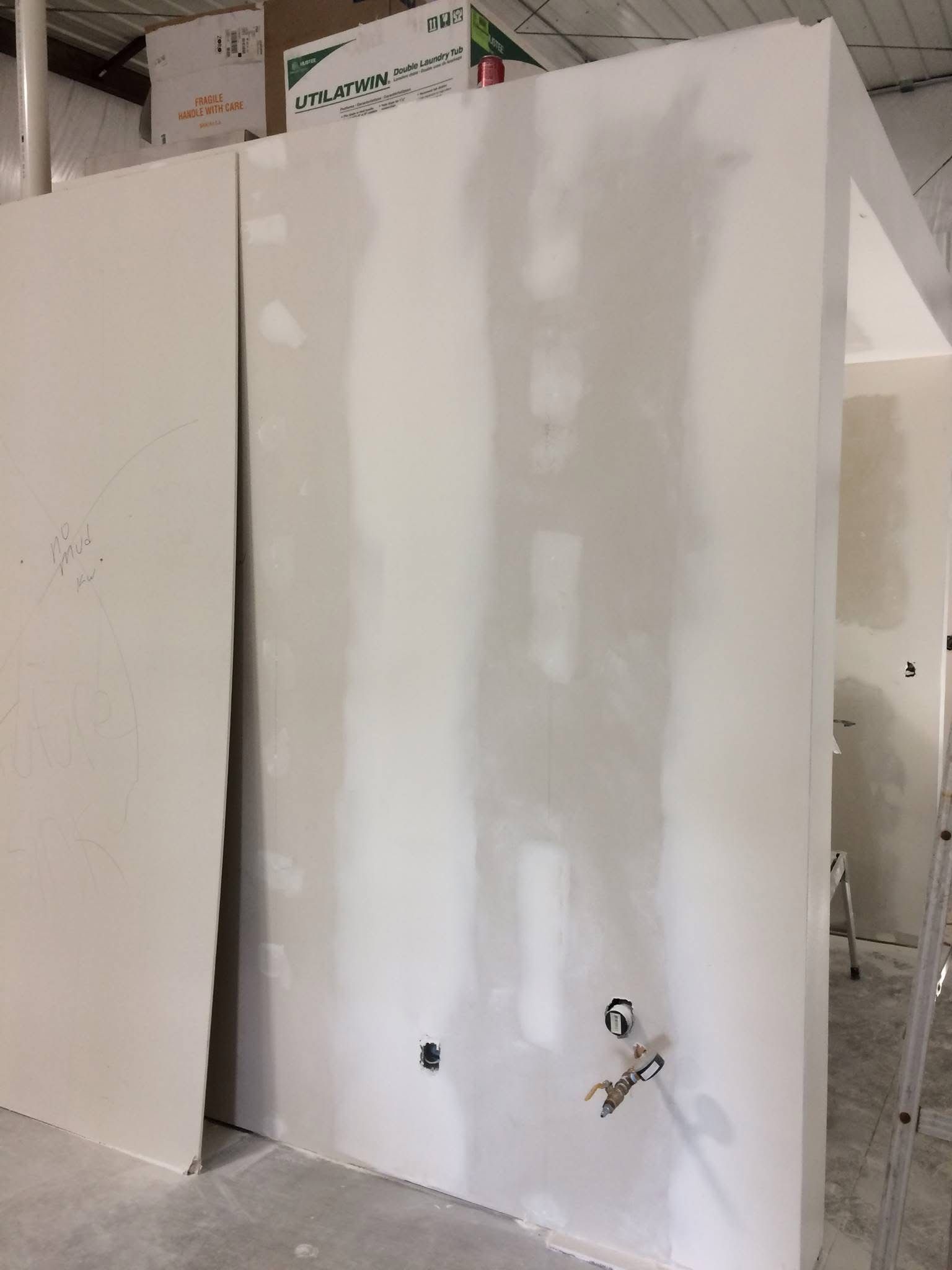
Effective drywall repair requires blending new material with existing wall texture so repairs become invisible once painted, which involves matching the depth and pattern of surrounding surfaces whether smooth, skip-trowel, or knockdown finishes. Patch installations must extend to wall studs or ceiling joists for secure attachment rather than relying on adhesive alone, and joint compound application follows multiple thin coats rather than single thick layers that crack as moisture evaporates.
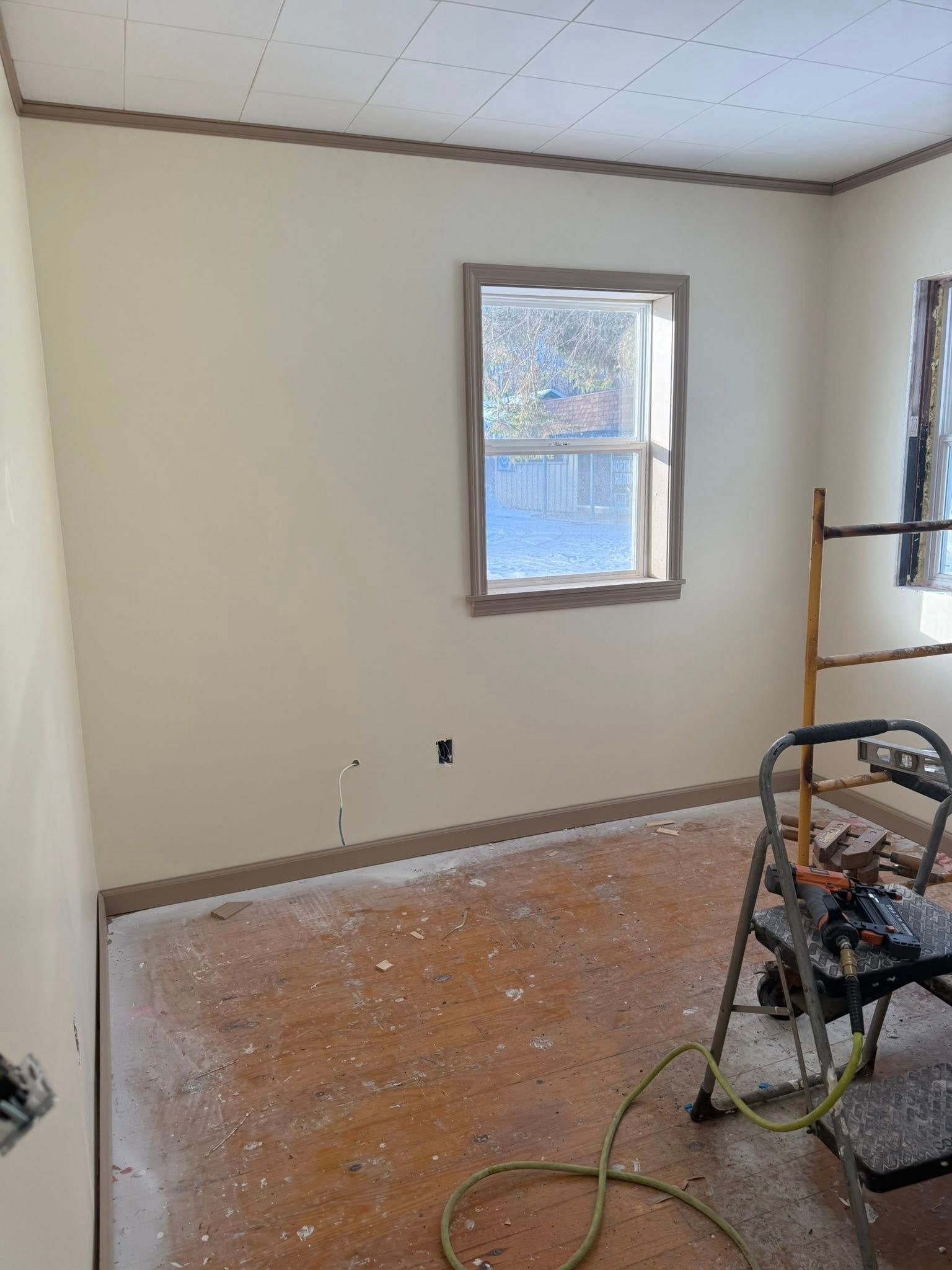
After repairs are completed and paint is applied, you'll notice that previously damaged areas no longer show depressions, raised edges, or color variations that drew attention to the damage location. Walls accept cleaning without exposing raw drywall or joint compound, and surfaces remain smooth without the rough texture that develops when repairs are rushed or inadequately sanded. Ceiling repairs eliminate the sagging or stained appearance caused by water intrusion, restoring uniform color and texture across the entire surface.
Interior painting improves both appearance and surface protection, with quality paint formulations resisting scuff marks, moisture penetration, and fading that degrades color uniformity over time. Clean application techniques prevent drips, roller marks, and uneven coverage that create visible defects under different lighting conditions throughout the day.
Common Questions About Repair and Painting Work
Questions about drywall repair and painting typically focus on matching existing finishes, project duration, and how the work affects occupied living spaces in Harrison homes.
What does seamless blending with surrounding textures involve during drywall repair?
Seamless blending requires feathering joint compound edges beyond the damaged area so transitions become gradual rather than creating visible ridges, matching the existing texture pattern using appropriate tools and application techniques, sanding to uniform smoothness without over-sanding surrounding areas that would create depressions, and applying primer that seals repaired surfaces at the same absorption rate as existing drywall.
How does wall preparation affect long-term paint durability?
Proper preparation removes dust, grease, and contaminants that prevent paint adhesion, fills small cracks and nail pops that telegraph through fresh paint coats, smooths rough areas that show through as surface imperfections, and primes bare drywall or joint compound so topcoats spread evenly without creating blotchy absorption patterns.
What causes drywall damage in Michigan homes that requires professional repair?
Damage occurs from furniture or equipment impacts that puncture wall surfaces, doorknobs striking walls in high-traffic areas, roof or plumbing leaks that saturate ceiling drywall until it sags or crumbles, foundation settlement that stresses ceiling joints and creates cracks, and remodeling projects that involve removing walls, outlets, or fixtures that leave holes requiring patching.
When should homeowners address drywall damage rather than delaying repairs?
Immediate repair prevents moisture from entering wall cavities through holes or cracks where it causes hidden mold growth and insulation damage, stops small cracks from expanding as seasonal temperature changes stress surrounding material, maintains interior appearance before damage becomes more noticeable, and prepares surfaces before listing properties for sale when cosmetic condition affects buyer perception.
What painting practices ensure clean application without drips or uneven coverage?
Clean application includes using proper roller nap thickness for the surface texture being painted, maintaining consistent pressure and overlap patterns that prevent streaking, cutting in edges with steady brush technique before rolling large areas, applying multiple thin coats rather than single heavy coats that sag or leave lap marks, and working in sections that allow wet edges to blend before paint begins drying.
Drywall repair and painting projects refresh living spaces during renovations or as standalone improvements that address wear accumulation over years of occupancy. Unclebob's Home Remodeling and Repair completes work with attention to detail and clean practices that minimize disruption in occupied homes throughout Harrison and Mid-Michigan communities.