
Details That Actually Line Up at Corners
Trim and Finish Carpentry in Harrison for remodeling projects requiring baseboards, crown molding, and door casings that complete room interiors
Trim and finish carpentry involves precise measurements, accurate miter cuts, and secure installation methods that create clean lines where wall surfaces meet floors, ceilings, windows, and doorways throughout residential interiors. Unclebob's Home Remodeling and Repair provides custom trim installation during kitchen, bathroom, basement, and full interior renovation projects in Harrison, addressing baseboards that cover gaps between flooring and drywall, crown molding that conceals ceiling-to-wall transitions, door trim that frames openings with uniform reveals, and window casings that finish rough openings left after window installations. Homeowners need finish carpentry when remodeling work exposes unfinished edges, when updating room style requires replacing outdated trim profiles, or when new construction lacks the detailed finishing that distinguishes completed spaces from rough framing.
The installation process requires measuring each wall section individually rather than assuming rooms have uniform dimensions, cutting miters that account for walls that aren't perfectly square, and securing trim to wall studs or blocking rather than relying solely on adhesive that fails as wood expands and contracts with seasonal humidity changes. Finish carpentry includes caulking gaps between trim and wall surfaces for seamless appearance, filling nail holes with matching wood filler, and sanding before paint or stain application.
Discuss trim and finish carpentry needs during your remodeling consultation to coordinate installation timing with painting and flooring schedules.
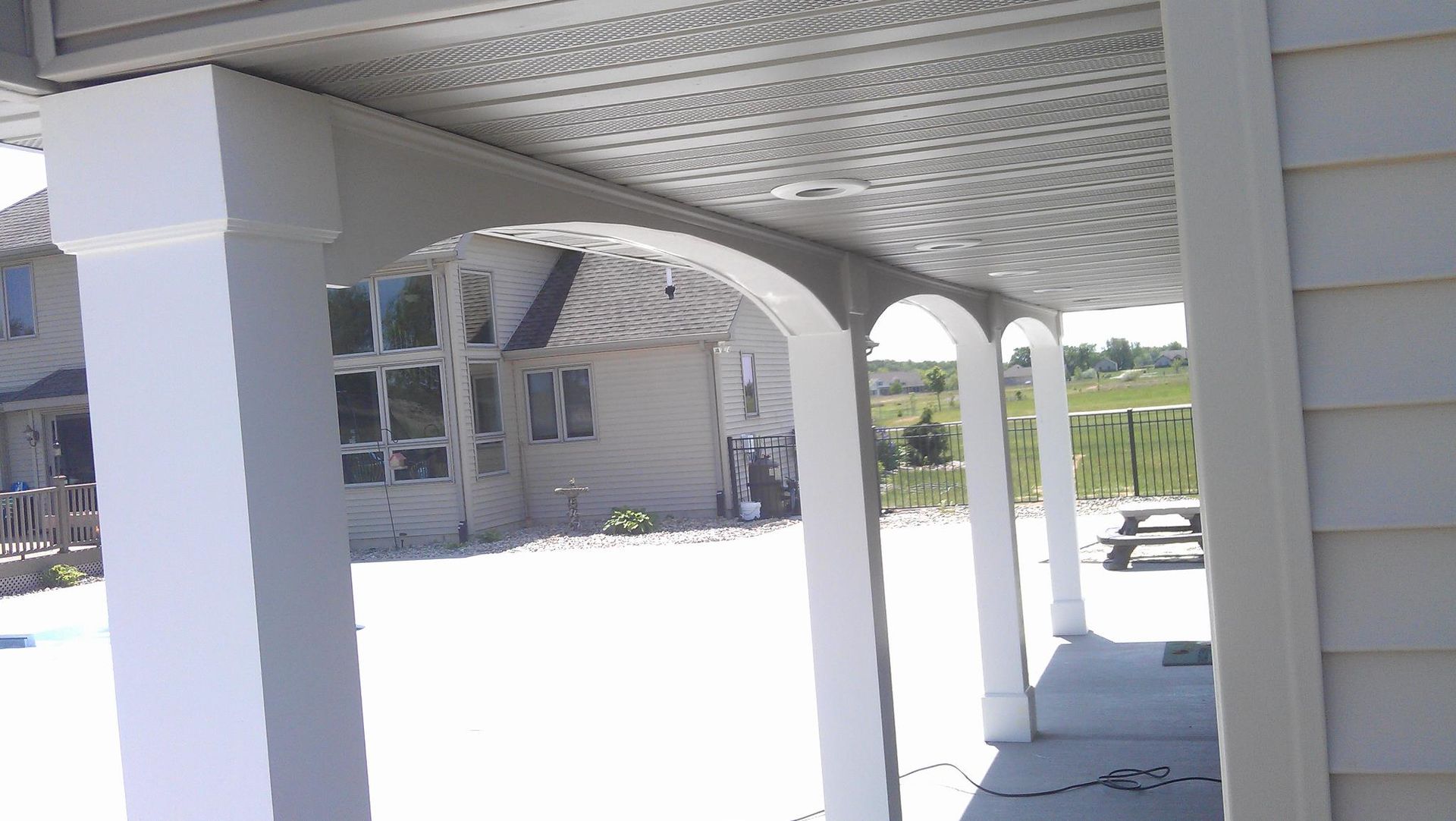
Why Precise Measurements Work for Long-Lasting Installation
Accurate trim installation depends on recognizing that residential walls rarely form perfect ninety-degree corners, floor surfaces slope slightly for drainage or settle over time, and ceiling heights vary by several inches across rooms in older homes, requiring individual measurements for each piece rather than cutting multiple sections to identical dimensions. Miter joints must be cut to match actual wall angles measured with precision tools, not assumed forty-five-degree angles that leave visible gaps when walls meet at eighty-eight or ninety-two degrees.
Once trim installation is completed, you'll notice that baseboards sit flush against both floor and wall surfaces without gaps that expose rough drywall edges or allow dust accumulation, crown molding creates continuous shadow lines around room perimeters without the dips or waves caused by inconsistent attachment, and door casings frame openings with uniform reveals that match on both sides and across the header. Corners meet with tight miter joints that don't separate as wood adjusts to indoor humidity levels throughout Michigan's seasonal changes.
Finish carpentry adds character and style to residential spaces by incorporating profiles that match architectural preferences, whether traditional colonial casings with decorative backbands, modern flat stock with minimal reveals, or craftsman-style trim with substantial dimensions. Reliable installation methods include securing baseboards low enough that flooring transitions hide cut edges, positioning crown molding with proper spring angle so faces sit flat against walls and ceilings, and using appropriate fastener lengths that reach framing members without protruding through exterior surfaces.
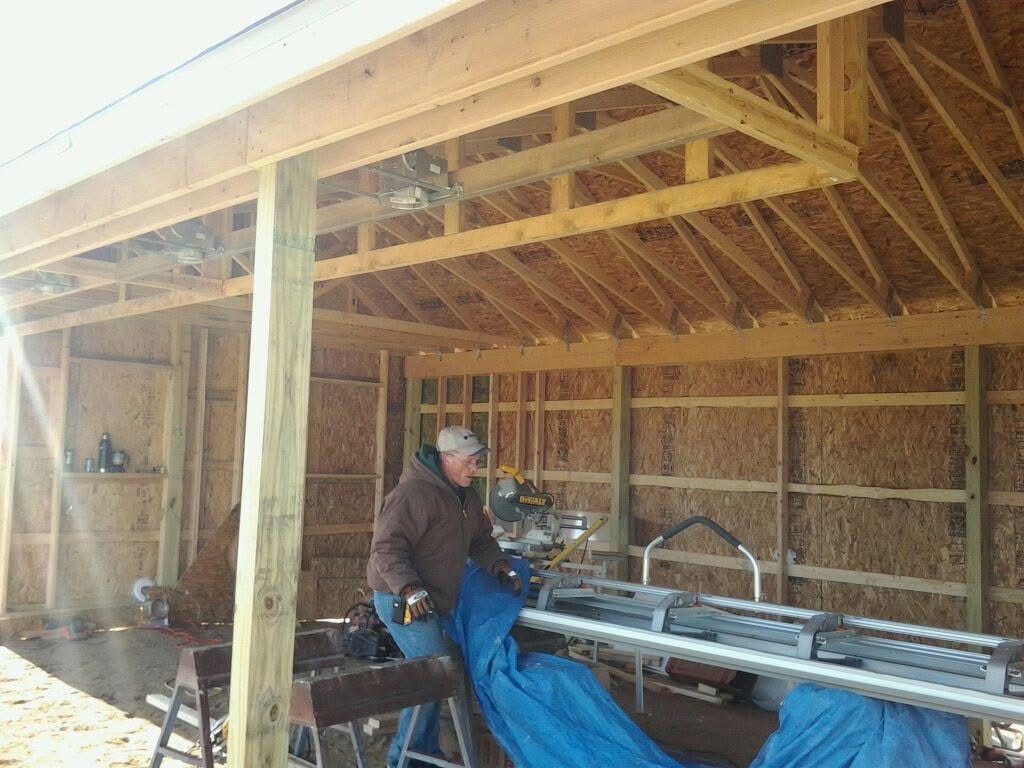
Questions Before Starting Your Trim Project
Finish carpentry questions often address material selections, coordination with other remodeling phases, and techniques that ensure durable installations throughout Harrison properties.
What trim profiles work best for different remodeling styles and room types?
Traditional interiors benefit from baseboards with multiple stepped profiles and crown molding with decorative curves that create distinct shadow lines, modern spaces use flat or minimal-profile trim that emphasizes clean geometry, craftsman designs incorporate wider stock with substantial visual weight, and moisture-prone areas like bathrooms may use PVC or composite trim materials that resist swelling better than solid wood when exposed to humidity.
How does finish carpentry coordinate with painting schedules during remodeling projects?
Coordination typically involves installing trim after drywall finishing and priming are completed so wall surfaces are ready for trim attachment, pre-painting trim before installation when using stain or specialty finishes that are difficult to apply after mounting, or installing trim raw and painting in place when using the same color as walls to simplify masking and eliminate visible seams between components.
What installation techniques prevent trim from separating or cracking over time?
Durable techniques include fastening to wall studs or ceiling joists rather than just drywall, pre-drilling nail holes in hardwood trim to prevent splitting, caulking between trim and walls with paintable formulations that remain flexible as materials expand and contract, and back-cutting miter joints slightly so face edges meet tightly even if walls aren't perfectly flat behind the trim.
When should homeowners replace existing trim rather than reusing it during remodeling?
Replacement becomes necessary when existing trim shows rot or insect damage that compromises structural integrity, when outdated profiles don't match new room design preferences, when removing trim for remodeling access causes splits or breaks that prevent reinstallation, or when room dimensions change and existing trim lengths no longer fit the modified layout.
What finish carpentry details improve overall room appearance in Harrison homes?
Details that add visual appeal include running baseboards at consistent height throughout connected spaces so horizontal lines remain level, aligning door and window casing reveals for uniform appearance across multiple openings, returning crown molding into walls at endpoints rather than leaving raw cuts visible, and selecting trim dimensions proportional to room size so narrow stock doesn't disappear in large spaces or oversized profiles overwhelm small rooms.
Unclebob's Home Remodeling and Repair installs trim with craftsmanship that improves room appearance and long-term durability. Request a consultation to review trim options and coordinate finish carpentry with your remodeling timeline and budget requirements.