
Protection Against Ice Dams and Storm Damage
Roofing Services in Grayling for homes with missing shingles, attic leaks, or aging roof systems
Roof replacement becomes necessary when shingles curl at edges, granules wash into gutters, or water stains appear on ceilings after heavy rain or snowmelt events. Unclebob's Home Remodeling and Repair installs residential roofing systems designed to handle Michigan's freeze-thaw cycles, wind-driven rain, and heavy snow loads that stress poorly ventilated or improperly flashed roof assemblies. Homeowners in Grayling typically schedule this work after noticing bare spots where shingles have blown off, ice dams forming along eaves, or multiple leak points that indicate the entire system has reached the end of its functional lifespan rather than isolated damage that warrants spot repairs.
Roofing installation involves stripping old shingles down to decking, replacing any soft or rotted plywood, then layering underlayment, ice-and-water barrier along eaves and valleys, metal flashing around penetrations, and architectural shingles secured with wind-resistant fastener patterns. Proper ventilation balances intake at soffits with exhaust at ridges to prevent heat buildup that shortens shingle life and moisture accumulation that rots decking from below.
Request a residential roofing estimate that includes an attic inspection to assess ventilation and decking condition before installation begins.
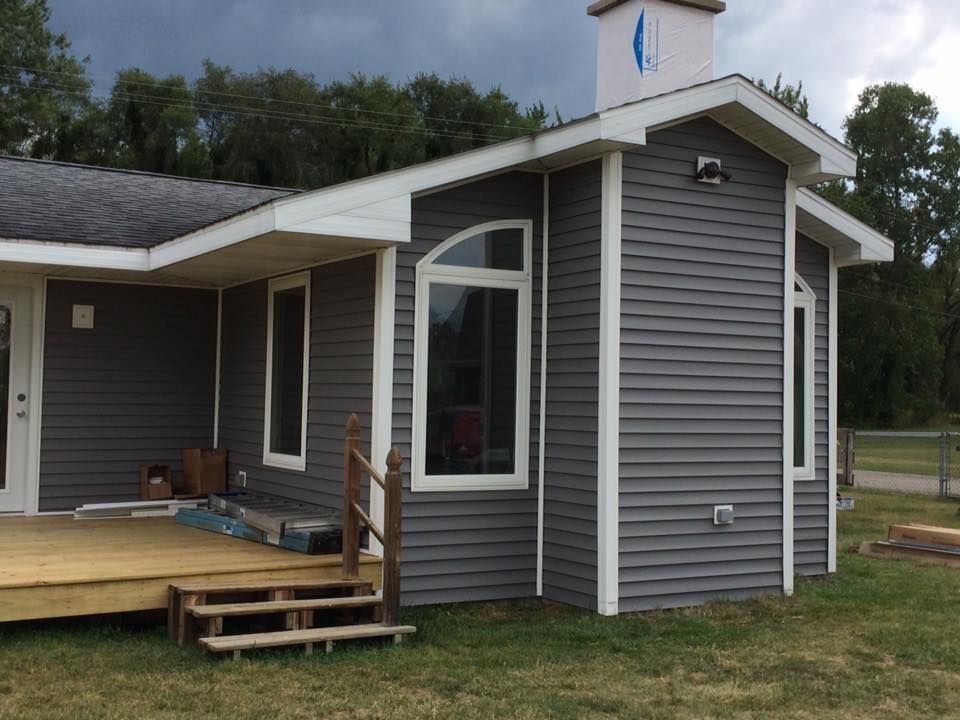
What Changes After Roof System Protection
Roof installation starts with removing old shingles and felt paper to expose decking, where installers identify areas needing replacement before moisture spreads further into framing. Ice-and-water barrier adheres directly to decking along eaves and valleys, creating a sealed membrane that stops melt from backing under shingles during freeze-thaw cycles. Step flashing at walls and chimneys integrates with each shingle course rather than relying on caulking alone, directing water downslope without creating entry points at vertical transitions.
After completion, water sheds cleanly off the roof without pooling in valleys or backing up behind ice dams along eaves. Attic spaces stay dry with no water stains on rafters or insulation, and temperatures remain consistent because balanced ventilation prevents hot spots that accelerate shingle aging. Storm winds no longer lift shingle edges, and you stop finding granule-filled debris in gutters after rainstorms.
Roofing projects often coordinate with siding, soffit, and window installations to address multiple exterior vulnerabilities at once, ensuring proper integration of flashing layers and weather barriers across all transitions. This approach prevents gaps where different materials meet and allows staging of equipment and crews for efficiency. Ventilation upgrades during roofing work improve attic airflow that benefits both roof longevity and overall home energy performance.
Common Questions About This Service
Homeowners preparing for roofing projects often ask about timing, material selection, and coordination with other exterior work.
What roofing materials perform best in Michigan winters?
Architectural shingles with fiberglass mats resist cracking in cold temperatures better than organic felt-based shingles, and those rated for high wind resistance stay sealed during storms that generate uplift forces along roof edges and ridges.
How does ice-and-water barrier prevent leak damage in Grayling?
This self-adhering membrane seals around fasteners and conforms to decking irregularities, stopping meltwater from infiltrating where standard underlayment would allow capillary action to draw moisture underneath shingles during slow melts and refreezes.
When should roof replacement happen instead of repairs?
Roofs showing widespread shingle loss, multiple leak points, or decking damage require full replacement because isolated repairs only delay inevitable failure and risk hidden water damage spreading through framing and insulation layers.
What happens to old roofing materials during replacement?
Installers strip shingles, underlayment, and damaged flashing down to decking, haul debris away in covered trailers, and use magnetic sweepers to collect loose nails from surrounding areas before new installation begins.
How long does a new roof last before needing replacement?
Quality architectural shingles typically perform for twenty-five to thirty years when installed with proper ventilation and flashing details, while premium shingles with enhanced warranties can extend service life to forty years or more depending on maintenance and exposure conditions.
Unclebob's Home Remodeling and Repair coordinates roofing installations throughout Mid-Michigan, scheduling work during dry weather windows that allow proper adhesive bonding and sealing. Arrange a property assessment to evaluate your roof's current condition and discuss material options suited to your home's design and exposure.