
Outlets Positioned Where You Actually Need Them
Residential Electrical Services in Harrison for remodeling projects requiring lighting upgrades, additional outlets, and wiring adjustments
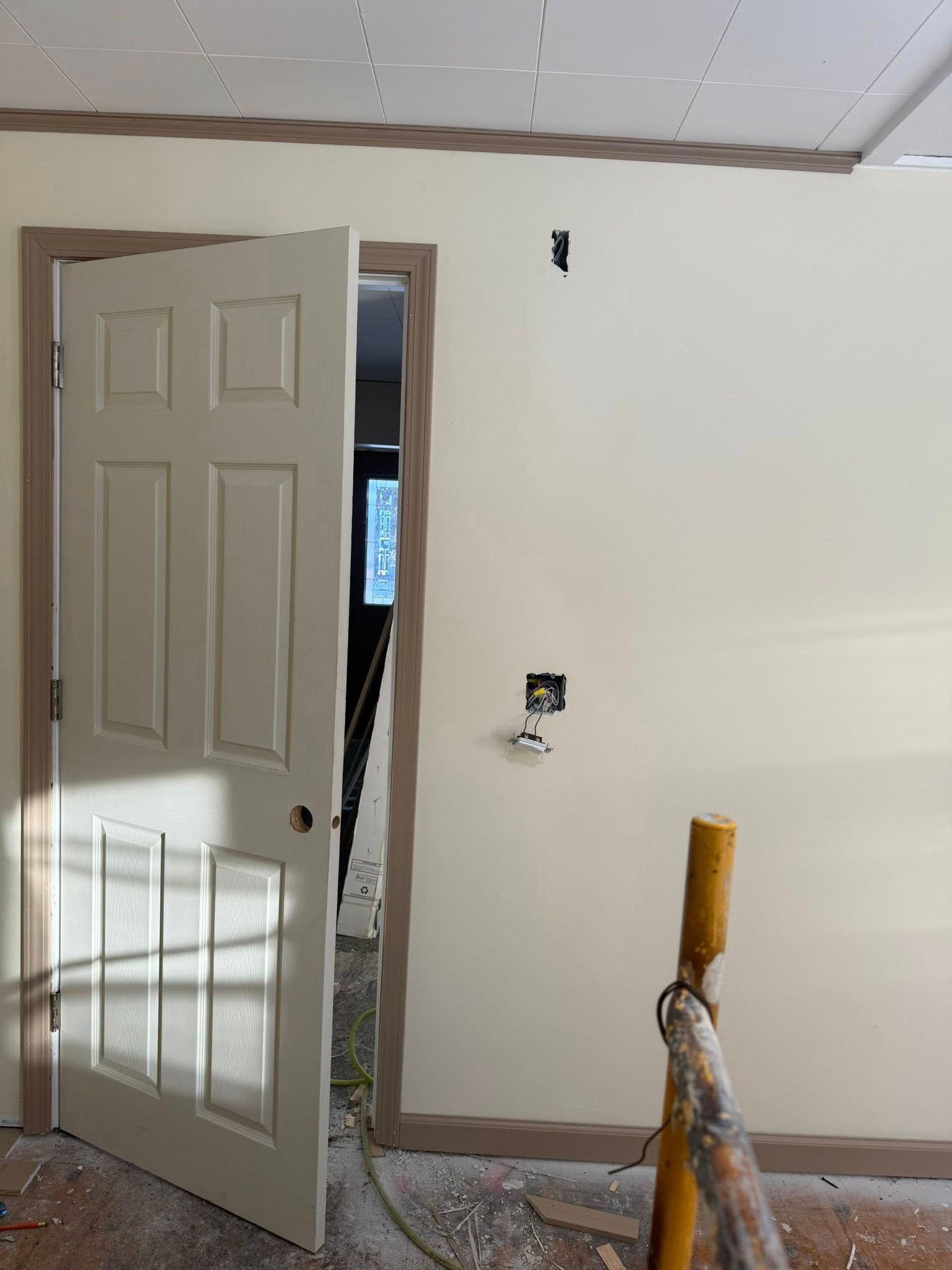
Residential electrical work during remodeling involves installing circuits that support modern appliance loads, positioning outlets where furniture and equipment will be located rather than where existing boxes happened to be installed decades ago, upgrading lighting to eliminate dim conditions that make detailed tasks difficult, and replacing outdated fixtures with options that improve both functionality and energy efficiency. Homeowners throughout Harrison need electrical services when kitchen remodels require circuits for high-draw appliances, bathroom renovations add vanity lighting and GFCI-protected outlets, basement finishing creates new living spaces that need adequate electrical infrastructure, or interior updates involve replacing switches and fixtures that no longer function reliably. Unclebob's Home Remodeling and Repair coordinates electrical work with kitchen, bathroom, basement, and interior remodeling improvements to ensure wiring installations happen during the framing phase when walls are open and modifications are straightforward.
Electrical upgrades include running new circuits from the main panel to support dedicated appliance loads without tripping breakers, installing outlet boxes secured to wall studs at heights and locations planned during layout design, routing wiring through wall cavities before drywall installation, adding switches that control lighting from multiple room entries, and connecting fixtures that provide task lighting where activities require clear visibility. Work also involves verifying that existing circuits can handle additional loads or determining when new dedicated circuits become necessary to prevent overload conditions.
Request an electrical upgrade consultation to coordinate wiring work with your remodeling project timeline and discuss specific lighting or outlet improvements.
What Electrical Upgrades Actually Accomplish
Proper electrical planning during remodeling positions outlets based on where homeowners will place furniture, countertop appliances, or equipment rather than defaulting to code-minimum spacing that often leaves outlets in unusable locations behind large furniture pieces or far from task areas. Circuit installations provide adequate capacity for simultaneous appliance operation without voltage drops that cause dimming lights or tripped breakers during normal household activities.
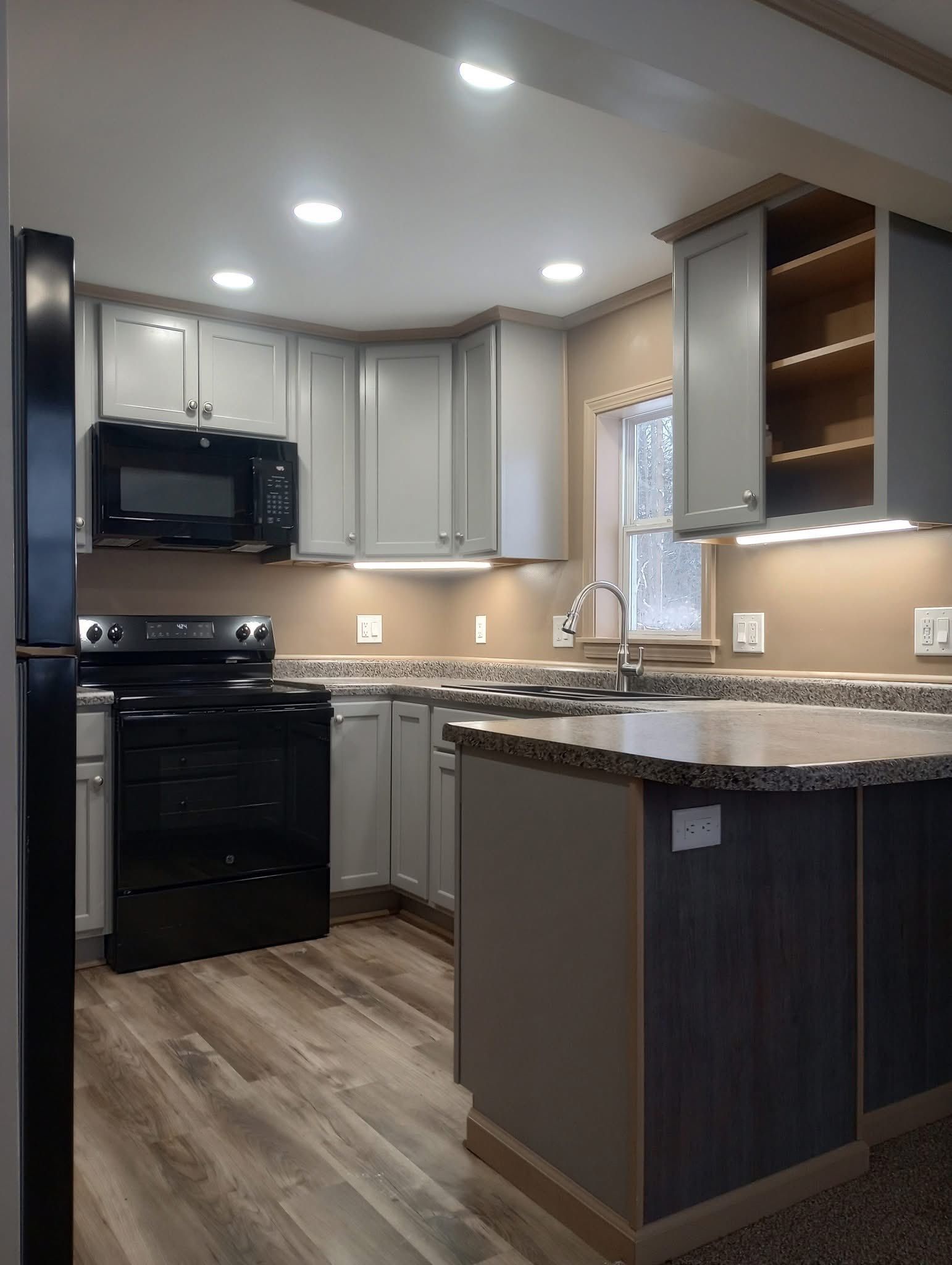
After electrical upgrades are completed, you'll notice that countertop appliances plug in without extension cords stretched across work surfaces, under-cabinet lighting eliminates the shadows cast by overhead fixtures that made food preparation difficult in older kitchens, bathroom vanity lighting provides even illumination for grooming tasks without the harsh glare or dim spots typical of single ceiling-mounted fixtures, and basement living areas have sufficient outlets for entertainment equipment without relying on power strips that create tangled cord clutter. Switches positioned at natural room entries allow lighting control without walking through dark spaces to reach outdated single-location switches.
Safe, organized electrical work includes securing cables to framing members so they don't hang loose inside wall cavities, protecting wiring with appropriate overcurrent devices matched to conductor size, installing GFCI outlets where required by current code near water sources, and labeling circuits at the panel so future troubleshooting or modifications can be completed without guessing which breaker controls specific outlets or fixtures. Attention to detail ensures that outlet covers sit flush and level, switches operate smoothly without loose mounting, and fixtures are secured properly to ceiling boxes rated for their weight.
What Property Owners Usually Ask About Electrical Work
Electrical questions during Harrison remodeling projects typically focus on circuit capacity, outlet placement, lighting options, and coordination with other construction phases.
What determines whether new circuits are required during remodeling projects?
New circuits become necessary when adding high-draw appliances like ranges or microwaves that require dedicated circuits per electrical code, when existing circuits already operate near capacity and can't support additional loads without tripping breakers, when basement finishing or room additions create spaces too far from existing outlets for safe extension, or when upgrading to modern electrical standards that separate lighting from outlet circuits for improved reliability.
How does outlet positioning improve functionality during kitchen and bathroom remodeling?
Strategic positioning places outlets inside cabinets for small appliances that previously cluttered countertops, installs outlets at countertop height where they're accessible without reaching behind furniture, positions bathroom outlets near grooming areas rather than only beside vanity sinks, and includes floor outlets in large rooms where furniture arrangements create distances too great for standard cord lengths to reach wall locations.
What lighting improvements address common visibility problems in Harrison homes?
Improvements include adding under-cabinet fixtures that illuminate countertop work surfaces directly rather than relying on overhead lights that cast shadows, installing recessed ceiling lights spaced to eliminate dark corners in basements and hallways, upgrading bathroom vanity lighting with fixtures mounted on both sides of mirrors for even facial illumination, and including dimmer switches that adjust brightness levels for different activities and times of day.
When should electrical work occur during the remodeling timeline?
Electrical rough-in happens after framing is completed and inspected but before insulation and drywall installation begins, allowing wiring to be routed through open wall cavities and secured to framing members, with fixture and outlet installation occurring after drywall finishing and painting are completed to prevent damage to finish components during other construction phases.
What safety considerations apply to residential electrical work in Michigan remodeling projects?
Safety requirements include installing GFCI protection on outlets within six feet of water sources as mandated by current electrical code, using proper wire gauge for circuit amperage to prevent overheating, securing junction boxes and cables according to code specifications, verifying that existing panel capacity can support additional circuits or determining when panel upgrades become necessary, and ensuring all work is inspected when required by local building departments.
Unclebob's Home Remodeling and Repair completes electrical work with dependable project communication and attention to both safety and long-term usability. Arrange a project consultation to review electrical improvements that support your remodeling goals and ensure adequate capacity for modern household needs.